
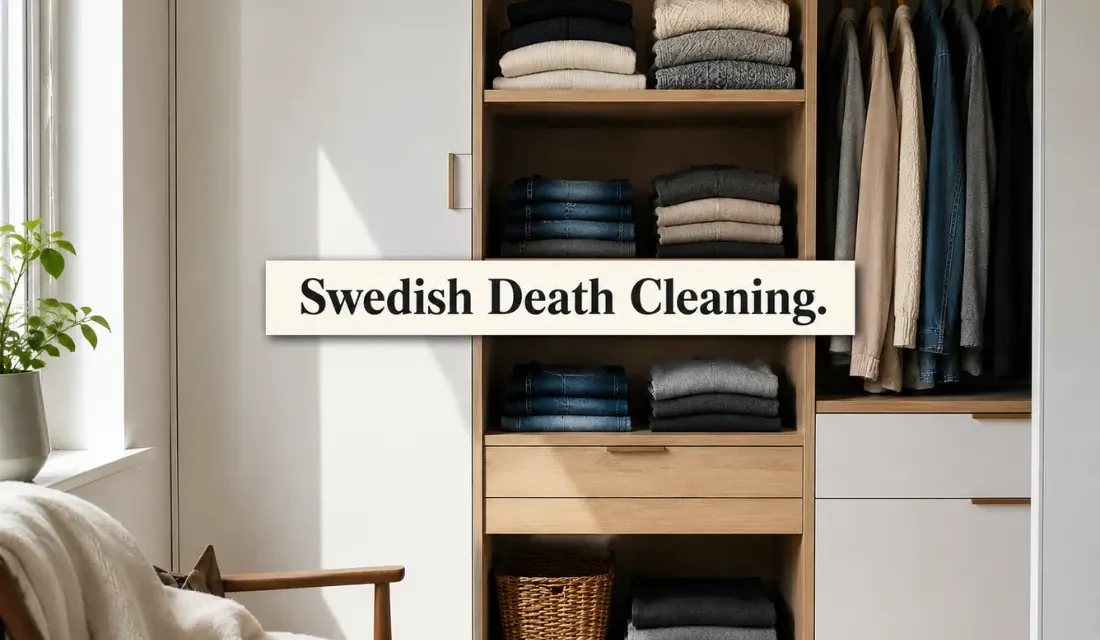
I started decluttering my room a few months ago with a strange thought stuck in my head. Not “does this spark joy” but “if something happened to me tomorrow, who would have to deal with all this.”
That thought changed everything about how I organized. I stopped shoving things into random drawers and started putting the stuff my family would actually need or want in places that were easy to find and easy to reach. Documents, things with real value, things I knew someone specific would want, all of it went somewhere obvious instead of buried in a closet. And the stuff I didn’t want anyone finding, the personal things, I dealt with myself. Either tucked away somewhere private or thrown out completely, on my own terms, instead of leaving it for someone else to stumble across later.
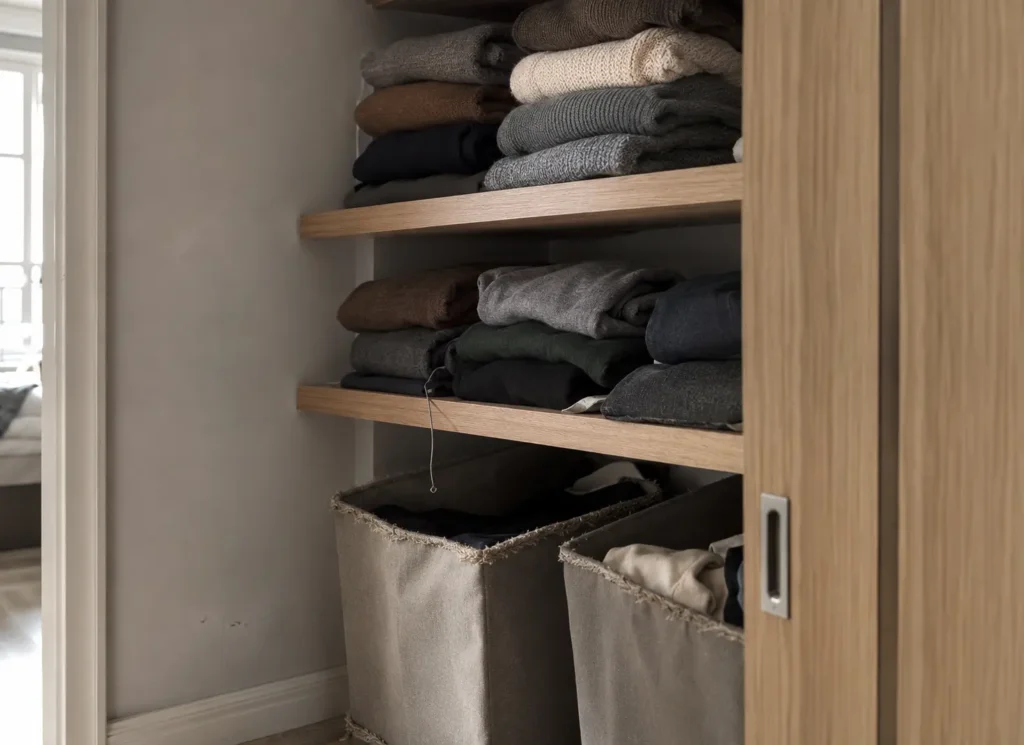
Turns out there’s a whole Swedish tradition built around exactly this instinct. It’s called dostadning, or death cleaning, and once I read about it I realized I’d basically been doing a rough version of it without knowing the name for it.
What Swedish Death Cleaning Actually Means
The term comes from a book called The Gentle Art of Swedish Death Cleaning by Margareta Magnusson. Despite the name, it has nothing to do with morbid thinking or rushing toward the end of anything. The Swedish word is dostadning, a combination of “do” (death) and “stadning” (cleaning), and the idea is simple. You go through your belongings while you’re still healthy and capable, and you organize, reduce, and sort things so that whoever is left behind isn’t stuck with the emotional and physical burden of doing it for you.
It’s not a one weekend project. It’s a slow, ongoing habit of asking yourself one question every time you look at something you own: would someone else have to deal with this after I’m gone, and would they even want it.
That question changes how you look at your stuff a lot faster than “does this bring me joy” ever did for me.
How It’s Different From Regular Decluttering
I’ve written before about the KonMari method, and while both methods want you to own less, the reasoning behind each one is completely different.
KonMari asks what makes you happy right now. Death cleaning asks what happens to this thing after you’re not around to explain why you kept it. It’s less about your present comfort and more about protecting the people you love from a stressful, exhausting cleanout later. Anyone who has had to clear out a parent’s or grandparent’s house after they passed knows exactly what kind of grief that adds on top of grief. Death cleaning is basically a quiet act of care for the people who’ll be left holding boxes.
There’s also an age element to it. Margareta Magnusson suggests that the older you get, the sooner you should start, but honestly I think it’s just as useful in your twenties or thirties. I’m not old by any measure and it still completely shifted how I organize my room.
The Core Steps to Start Swedish Death Cleaning
1. Start With the Big, Impersonal Items First
Furniture, extra kitchenware, old electronics, spare bedding you never use. These are the easiest things to let go of because there’s no emotional weight attached. Starting here builds momentum before you hit the harder stuff.
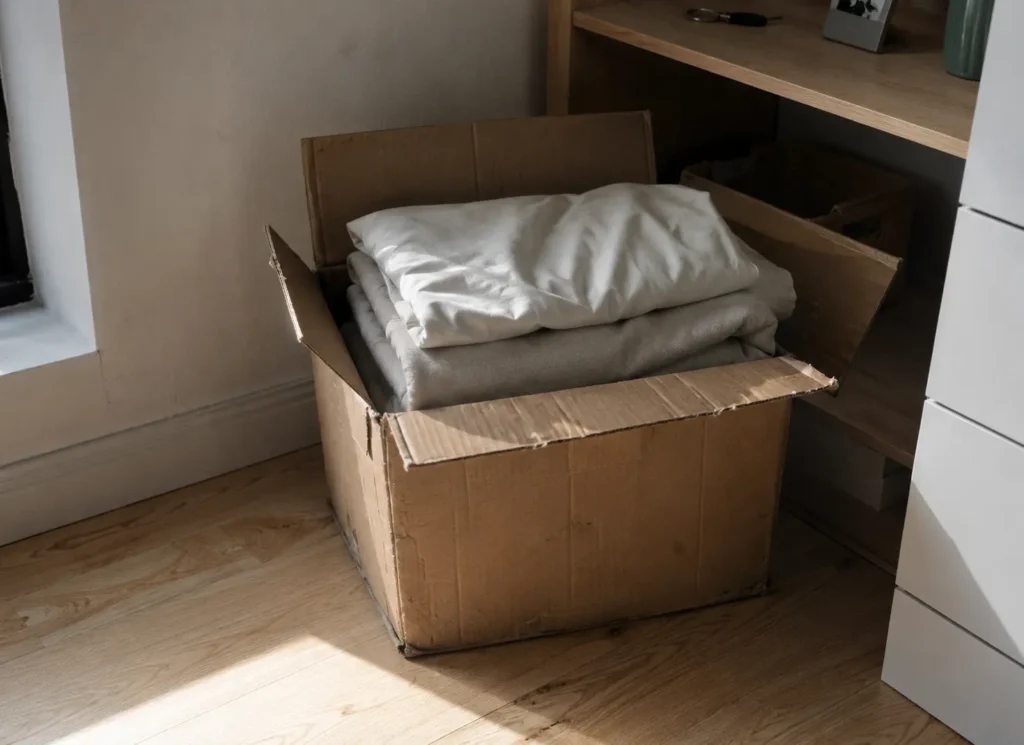
2. Sort Category by Category, Not Room by Room
Go through all your clothes at once, then all your books, then all your kitchen stuff. Doing it category by category shows you exactly how much of one thing you actually own, which is usually a lot more than you think.
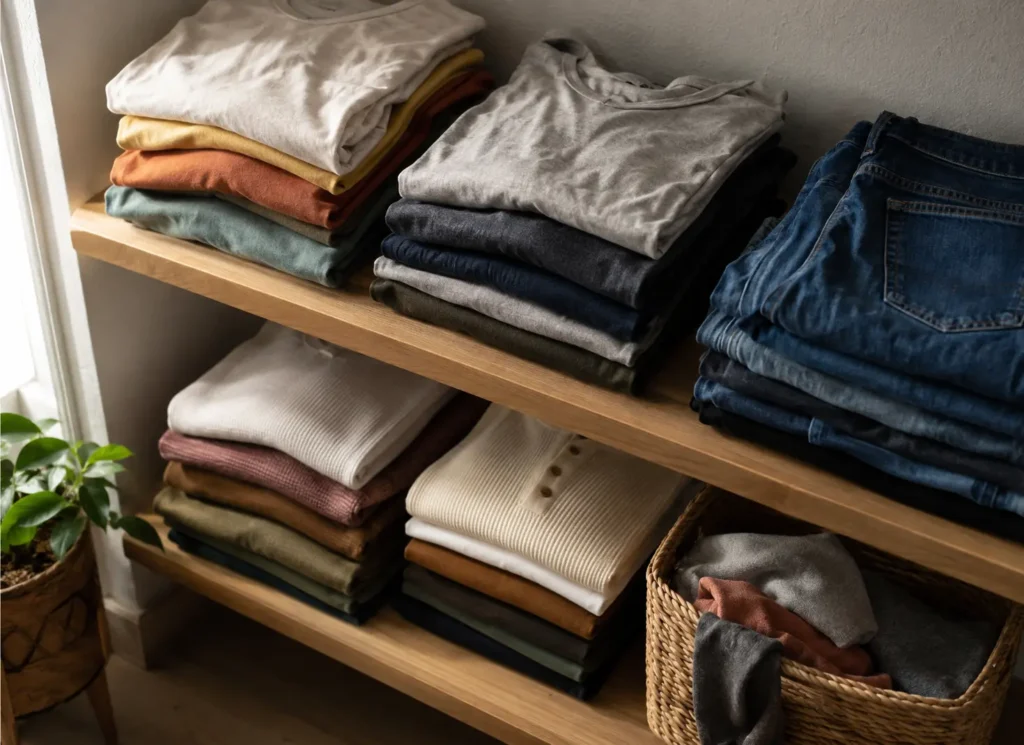
3. Put “Keeper” Items Somewhere Easy to Find
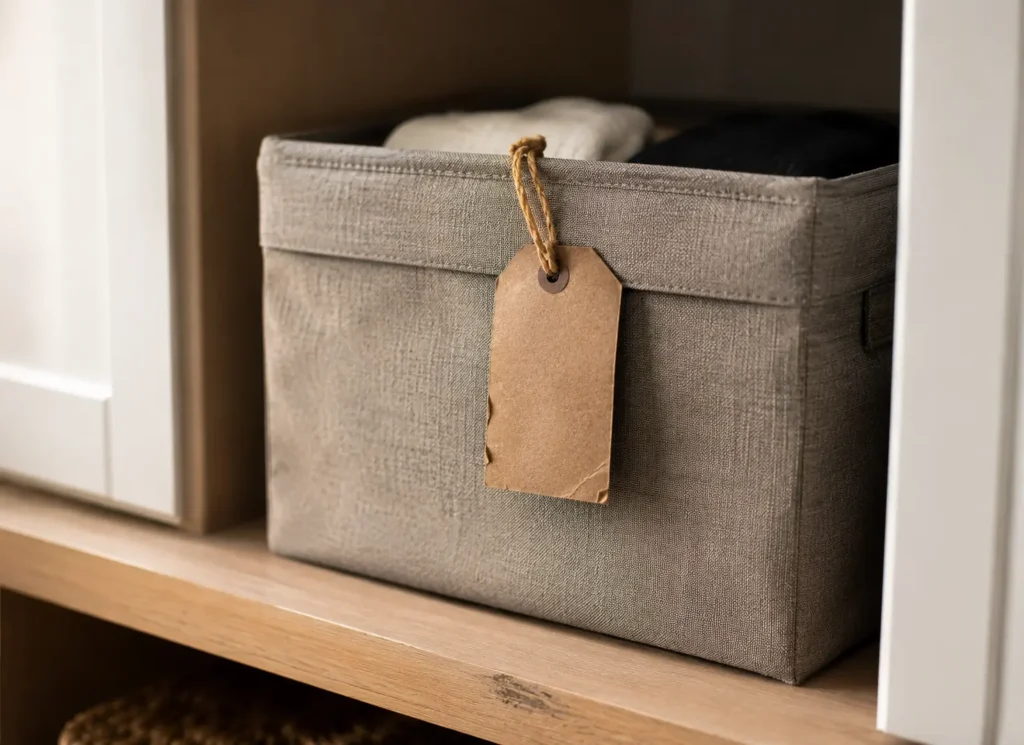
Anything with real sentimental or financial value that you know a specific person would want should go somewhere obvious and accessible, not buried at the back of a closet. I moved mine to an eye-level shelf near the front of my closet, labeled simply so nobody has to guess what’s inside.
4. Create a Private Box for Just You
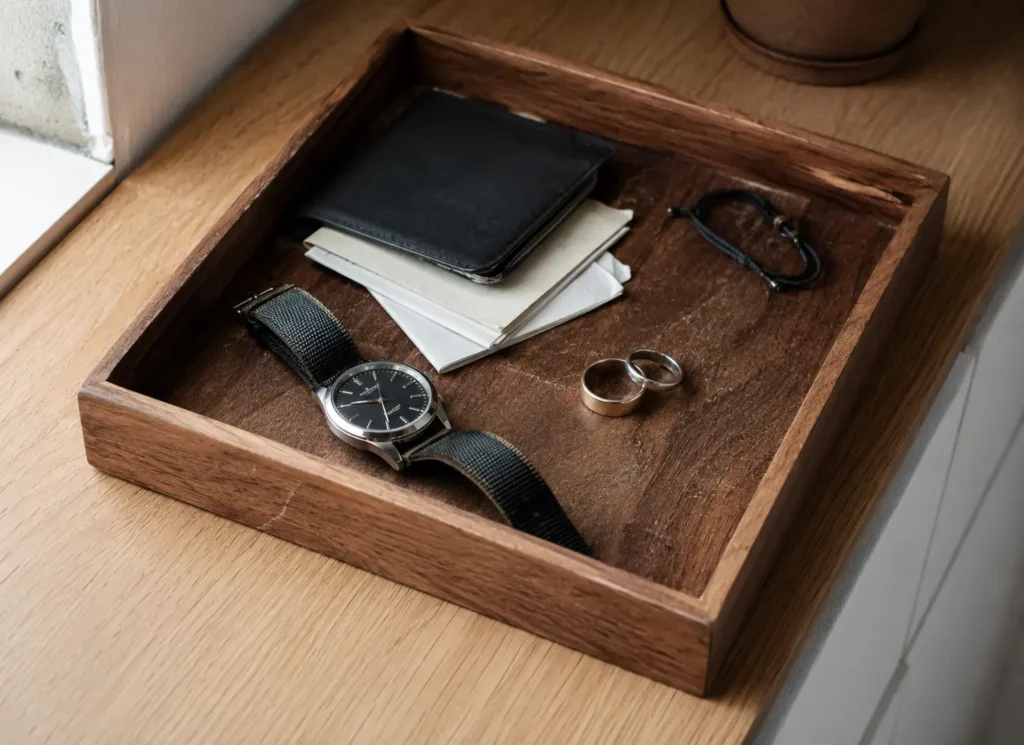
This is the part people skip and it’s honestly the most important one for me. Keep a separate, private space for things that are only yours to deal with. Old letters, personal items, anything you’d rather nobody else ever see. Go through it yourself, regularly, and either keep it somewhere truly private or get rid of it on your own terms.
5. Group Shared or Valuable Items for One Person to Divide
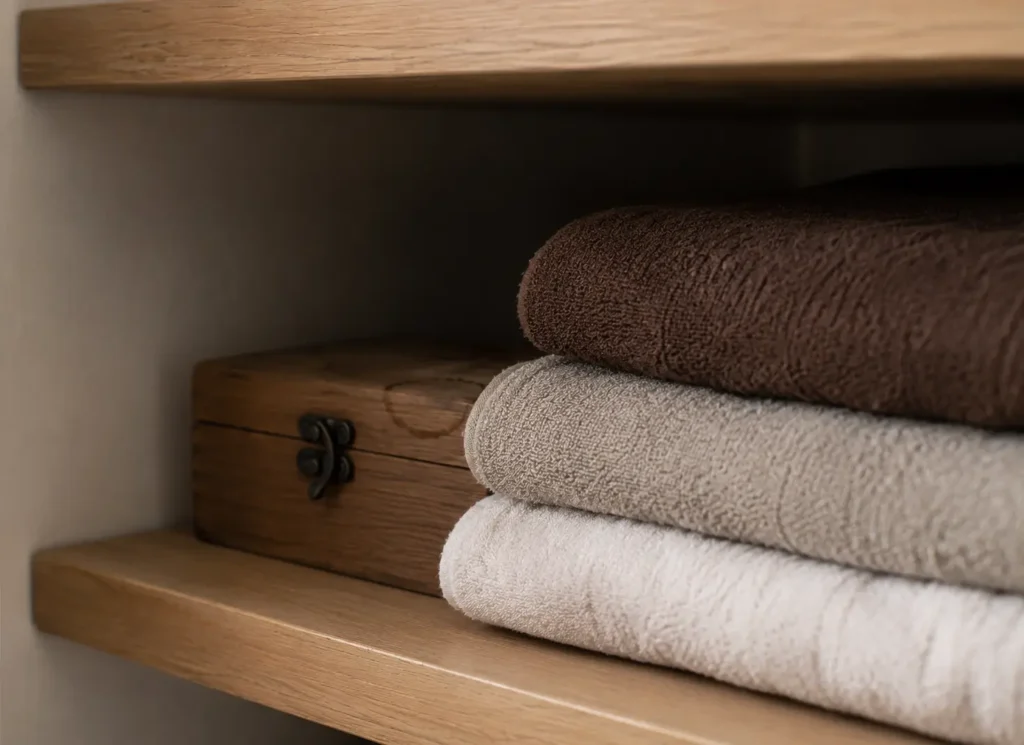
For things that might need to be split between multiple family members eventually, like jewelry, tools, or collections, organize them well and assign the responsibility of dividing them fairly to one trusted person instead of leaving it as a free for all. I did this with a small box of items I know will need to go to more than one person someday, packed neatly so whoever handles it later isn’t left guessing what’s inside or who wanted what.
6. Talk to Your Family, Even If It’s Uncomfortable
You don’t have to explain every single item, but let someone know this process exists and roughly where things are. It doesn’t have to be a heavy conversation. Even a quick “hey, if anything ever happens, the important stuff is on the top shelf” removes so much guesswork later.
Why This Method Actually Works
It works because it removes guilt from the equation. Regular decluttering can feel selfish sometimes, like you’re just getting rid of things for your own comfort. Death cleaning reframes the whole process as something you’re doing for someone else, which somehow makes it easier to actually let go of stuff.
It also forces you to be honest. When I started sorting my things with the question “would someone else want to deal with this,” a lot of stuff I’d been holding onto out of habit suddenly had an obvious answer. No, nobody would want to sort through fifteen old phone chargers or a drawer of mismatched cables. That clarity is hard to get from most other decluttering methods.
And on a purely personal level, it just feels lighter living in a space that isn’t secretly a burden waiting to happen. My room feels calmer knowing that if something ever happened, my family wouldn’t be left confused, overwhelmed, or stumbling onto things I never meant for them to see.
If you’re also working through a smaller space, this pairs well with a proper vertical storage setup, since organized, labeled storage makes the whole process so much easier to maintain long term.
Frequently Asked Questions
Is Swedish death cleaning only for elderly people? No. While Margareta Magnusson wrote it with older readers in mind, the method works at any age. Starting young just means you build the habit early and never let clutter pile up in the first place.
What is the “throw away box” in Swedish death cleaning? It’s a private, personal space for items you don’t want anyone else to see or deal with after you’re gone. You go through it yourself and dispose of or store it privately, on your own terms.
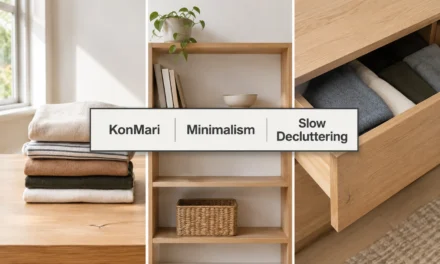
How is this different from the KonMari method? KonMari focuses on what brings you joy right now. Death cleaning focuses on reducing the burden your belongings would place on others later. Both reduce clutter, but the motivation behind each one is different. For a side-by-side look at KonMari, minimalism, and slow decluttering, see this decluttering methods comparison.
Do I have to tell my family I’m doing this? Not in detail, but letting someone know the general idea and where important items are kept saves a lot of confusion later.
Where should I start if this feels overwhelming? Start with the big, impersonal items first, like extra furniture or duplicate kitchen items. Save sentimental and personal items for last, once you’ve built some momentum.
Is this a one-time project? No, it’s meant to be ongoing. A little at a time, revisited every so often, works better than trying to do it all at once.


Trackbacks/Pingbacks